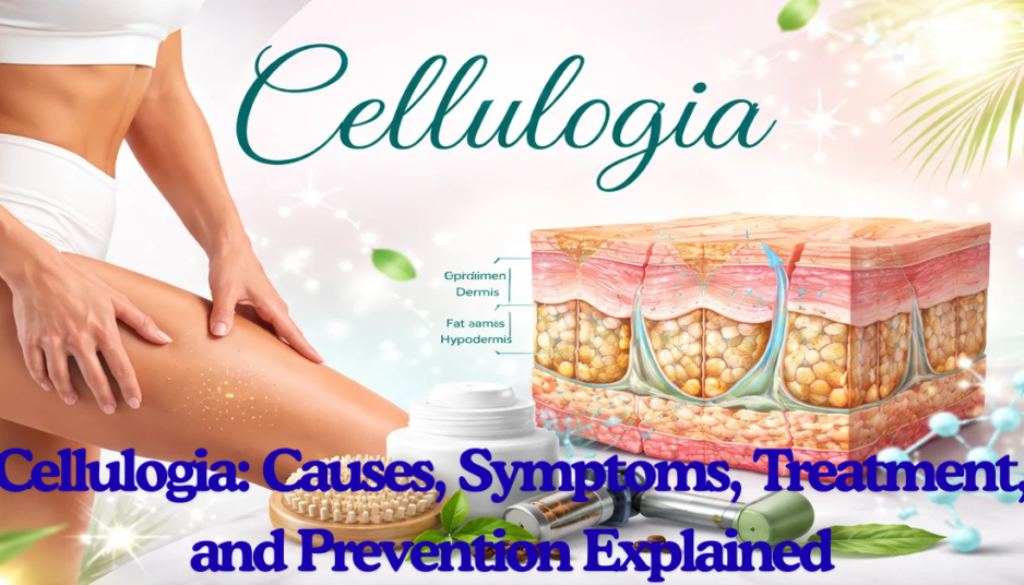
Cellulogia: Causes, Symptoms, Treatment, and Prevention Explained
Cellulogia is a term that more and more people are searching for online. However, many aren’t sure what it means. Cellulogia usually refers to a skin and tissue condition. It can relate to inflammation, infection, or changes similar to cellulite. The meaning can vary by region or context. Understanding cellulogia is key for healthy skin. It helps to know its causes, symptoms, and treatments to avoid complications.
This guide explains cellulogia simply. It makes it easy for everyone to understand.
What Is Cellulogia?
Cellulogia usually means unusual changes in the skin and tissues below. It’s often connected to inflammation, poor blood flow, or bacterial infection. Cellulogia can sometimes be mistaken for cellulitis, a bacterial skin infection. It can also be confused with cellulite, which is fat under the skin. However, cellulogia is a broader term. It describes changes in skin texture, swelling, redness, or tissue damage.
Important note: Cellulogia isn’t always a medical diagnosis. It’s a term used in wellness, dermatology, or cosmetic fields.
Common Causes of Cellulogia
Several factors can contribute to the development of cellulogia. These causes often overlap and worsen over time if not addressed.
1. Poor Blood Circulation
Reduced blood flow can cause fluid retention. This leads to tissue inflammation, which can result in uneven skin texture.
2. Bacterial Infections
When bacteria get into the skin through cuts or wounds, they can cause inflammation and swelling. This condition is called cellulitis.
3. Hormonal Imbalances
Hormonal changes, especially in women, can affect fat distribution and connective tissue health.
4. Lifestyle Factors
- Lack of physical activity
- Unhealthy diet
- Smoking
- Dehydration
All of these can weaken skin structure and worsen symptoms.
5. Weakened Immune System
People with diabetes, obesity, or weak immune systems are more likely to have skin and tissue problems linked to cellulogia.
Symptoms of Cellulogia
The symptoms of cellulogia can vary depending on the underlying cause, but common signs include:
- Uneven or dimpled skin texture
- Redness or discoloration
- Swelling in affected areas
- Tenderness or mild pain
- Warmth under the skin
- Tight or hardened tissue
If symptoms are sudden, painful, or accompanied by fever, medical attention is strongly recommended.
Areas Commonly Affected
Cellulogia can appear on different parts of the body, including:
- Thighs
- Hips
- Buttocks
- Abdomen
- Arms
- Lower legs
These areas are more prone due to fat storage, circulation patterns, and skin structure.
How Is Cellulogia Diagnosed?
Diagnosis usually depends on clinical examination. A healthcare professional may:
- Review your medical history
- Examine skin texture and inflammation
- Rule out infections like cellulitis
- Recommend blood tests or imaging if infection is suspected
Early diagnosis helps prevent worsening symptoms and complications.
Treatment Options for Cellulogia
Treatment depends on the severity and cause of cellulogia. A combination of medical care and lifestyle changes often provides the best results.
1. Medical Treatment
- Antibiotics (if bacterial infection is present)
- Anti-inflammatory medications
- Topical creams to improve skin health
2. Lifestyle Improvements
- Regular physical activity to boost circulation
- Drinking enough water daily
- Maintaining a balanced, nutrient-rich diet
- Reducing salt and processed foods
3. Physical Therapies
- Massage therapy
- Lymphatic drainage
- Compression therapy
These methods help reduce swelling and improve tissue health.
4. Skincare and Cosmetic Approaches
- Firming creams
- Retinol-based products
- Non-invasive skin treatments
While cosmetic treatments don’t cure cellulogia, they can improve appearance and comfort.
Can Cellulogia Be Prevented?
Yes, in many cases, cellulogia can be prevented or minimized with healthy habits.
Prevention Tips:
- Stay physically active
- Keep skin clean and moisturized
- Treat cuts and wounds promptly
- Maintain a healthy body weight
- Avoid smoking
- Support immune health
Consistency is key when it comes to prevention.
When to See a Doctor
Seek medical help if you experience:
- Rapidly spreading redness
- Severe pain or swelling
- Fever or chills
- Skin that feels hot and tight
- No improvement with home care
These could indicate a more serious condition requiring immediate treatment.
Frequently Asked Questions (FAQs)
1. Is cellulogia the same as cellulite?
No. Cellulite is a cosmetic issue. Cellulogia, on the other hand, can involve inflammation, infection, or changes in tissue.
2. Is cellulogia dangerous?
It depends on the cause. Mild cases are manageable, but infections can become serious if untreated.
3. Can cellulogia go away on its own?
Some mild cases improve with lifestyle changes, but medical treatment may be necessary in others.
4. Who is most at risk of cellulogia?
People with poor circulation, obesity, weak immunity, or inactive lifestyles face a higher risk.
5. Can exercise help cellulogia?
Yes. Exercise improves blood flow, reduces fluid retention, and strengthens connective tissue.
Final Thoughts
Cellulogia is a condition that should not be ignored. Untreated skin issues can start mild but may lead to discomfort and other problems. Know the symptoms, causes, and treatments. This helps you take steps for healthier skin and better well-being.
A balanced lifestyle, early intervention, and good care are the best ways to manage and prevent cellulogia.